Things To Know About Ileostomy

An ileostomy is a surgical procedure that connects your ileum to your abdominal wall. The ileum is the end of the small intestine. The opening also called a stoma, appears on the abdominal wall. You need to connect a pouching system to the stoma to collect the feces, which means you are not going to use the normal excretory pathway for a while or forever.
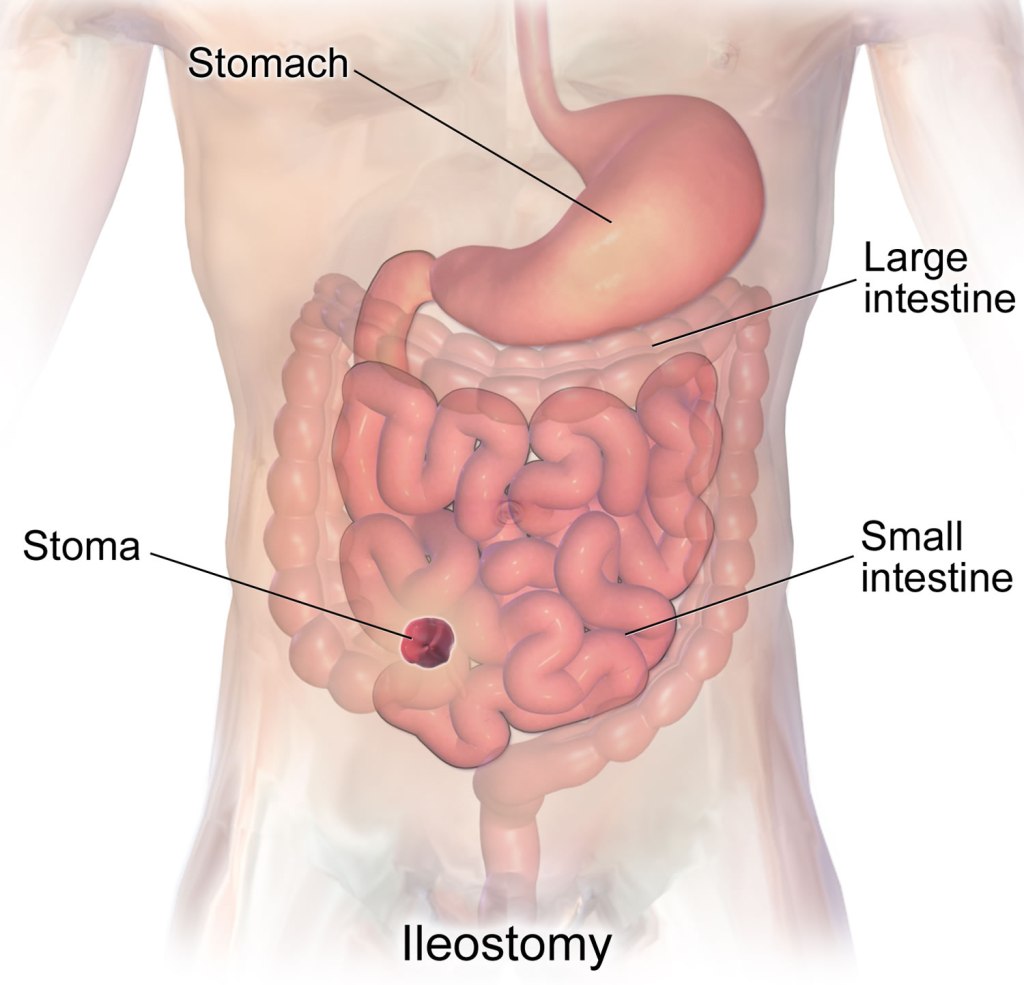
Doctors may opt for a temporary ileostomy if your colon doesn’t function properly and is in the need of treatment. In such cases, the colon should rest for a while to heal properly. An ileostomy allows the stool to bypass the colon and leave the body through the stoma.

As for the permanent ileostomy, the procedure is the same, except for the bypassing colon part. A permanent procedure involves the removal of the colon entirely. As a result, the patient has to learn to live with a bag to collect the stool and discard it in the right place at the right time.

Reasons you may need an ileostomy

Ileostomy might become crucial if you have an intestine problem that you are unable to solve with the help of medication. In most of the cases, it’s the inflammatory bowel disease (IBD) that leads a person needing an ileostomy surgery. This condition often results in blood and mucus in the stool, bodyweight loss, poor nutrition, and abdominal pain. Other reasons may include rectal or colon cancer, familial polyposis, intestinal birth defects, accidents resulting in intestinal injuries, and Hirschsprung’s disease.

Preparing for the procedure

First of all, you need to consult with your doctor and tell them about your medical condition, and medications and supplements that you take. The doctor will give your instructions regarding your diet and lifestyle changes. And you will be advised not to eat and drink anything twelve hours before the surgery.

Procedure

Before the procedure, the surgical staff will administer general anesthesia to make the surgery pain-free. A standard ileostomy procedure involves a small incision, which later serves as the point of the stoma. The surgeon then disconnects ileum from the colon and pulls it out through the incision. The surgical staff either bypasses the colon to let it heal over time or simply removes it from the abdomen if it is untreatable. The incision on the abdominal wall is sutured to fir the size of the stoma.

After the procedure

One thing that you are going to have to keep in mind is that you will not feel any urge to excrete in response to bowel movements. It means that stool evacuation is going to be unintentional every time. You need to manage this evacuation with the help of an ostomy bag that will connect to your stoma. This situation also brings up the need to take care of your stoma and the skin around it. you can learn about ostomy care from your doctor or ostomy care nurse.


Relearning the Mundane Tasks at Work

Whenever I go about my work day, I don’t really have to plan ahead much when it comes to the menial, everyday tasks that my body should carry out normally. You know, like relearning how to use a computer mouse, or understanding how a computer works, or even knowing when I need to get up and use the restroom. Those things are ingrained into my being, as they’re experiences I’ve learned along the way and don’t exactly have to relearn.

I’m sure 99% of people out there would say the same things I’ve just said, to be honest. Because that’s what is expected in the workplace: knowing the mundane and learning the technical side of the job. An employer doesn’t hire someone expecting them to relearn basic functions in their company, and that’s the whole point of hiring on competitive candidates who are there to push the growth of the company.

So imagine my surprise to being hired on in a role that I was technically qualified for but didn’t have much workplace experience doing. Since being in that role, I’ve developed an ungodly amount of skills that I pretty much taught myself while at my desk alone, learning on the fly. In fact, it’s made me proud of my role with the company and the things I’ve learned in such a short time, and that pride has made me a better employee, a more efficient worker, and a happier person all around.

But if I had to relearn basic functions that most people never thought twice about, I could see coming into a new role being pretty tough. Things like planning my day around bathroom breaks if I had recently had an ostomy procedure. I can’t even imagine having to empty my pouching system during the day while at work and potentially having to clean my ostomy supplies. To me, that’s so far removed from my current life that it’s likely beneficial for me to learn a little bit more about those things, like the brands (the fact that all I know about is ostomy supplies shows my lack of knowledge on everything ostomy related).

Truthfully, I’ll probably never have to think about those things, since ostomies are rather rare for the general population. Nonetheless, I think learning about medical conditions and procedures can help you prepare for anything in your own future while also learning to understand others much more than you ever would have otherwise.

How to Avoid Ostomy Leakage

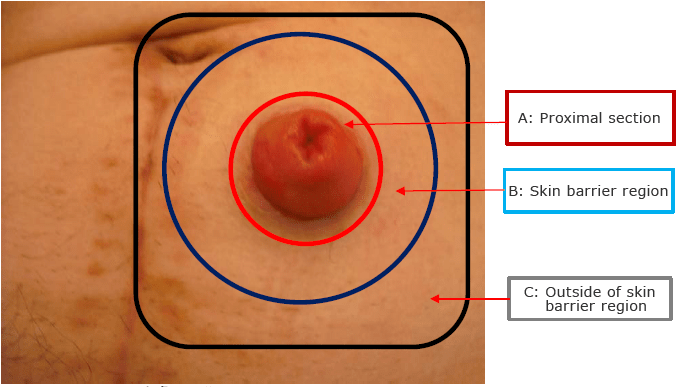
Ostomy leakage can be irritation and frustration at the same time. So, you are going to have to make sure that your ostomy pouch is properly adhered to the prestomal skin.

Ostomy skin health

Damaged skin around the stoma can make things quite unmanageable from certain perspectives. It is the area which has to come in contact with the adhesive-loaded part of the ostomy pouching system. It means that this skin area needs to be healthy enough to make a little-longer-than-short-term attachment of the pouching system the pain-free experience. And so, you are going to be proactively careful about the health of this part of the skin. For this purpose, you can consider using ceramide-infused skin barrier. And you have to make sure that you are visiting your ostomy care nurse in case you notice any sign of infection development in the area.

Fitting of the skin barrier

It is very important to make sure that the skin barrier you are using is properly fitting on the skin around your stoma. This way, you will be able to avoid any irritation or damage in the peristomal skin.

A few things that you are going to have to take into consideration here include:

  • Proper measurement of your stoma before every barrier application
  • Making sure that the skin barrier fits where the skin and stoma meet
  • Making sure that no part of the skin is exposed between skin barrier and stoma
  • Ensuring the application of stoma powder before application of the new pouching system
  • Discontinuing the use of stoma powder once the skin gets normal

Changing ostomy pouch on regular basis

Before the pouching system becomes susceptible to leakage, you have to change the pouch. A pouching system might start leakage under the barrier if it gets overfilled and gains weight. Therefore, you need to change the pouch if you are using closed bags. And even if you are using drainable bag, you are going to have to change it twice in every week.

Ensuring proper security of your pouch while exercising

Many people wonder if it is possible to do exercise with an ostomy bag attached to the body. Well, it is certainly as much possible as for other normal people. But make sure that you have worn special clothing that keeps the pouching system from developing leakage. You can use an ostomy wrap to keep the pouch in one place. Moreover, you need to avoid the tougher exercises if you think that those workouts can lead to the leakage. It is very important to talk to your ostomy care nurse beforehand.

Things You May Want To Know About Peristomal Skin Problems

In case you have got an ostomy, it should be one of your top priorities to take care of the skin around your stoma. But what’s quite alarming here is that persitomal skin complications are more common than you think.

In this article, we are going to state some facts about peristomal skin complications.

75% of people with ostomies develop these complications

Moreover:

  • About 37% of the people with ostomies get these complications developed within 90 days after surgery.
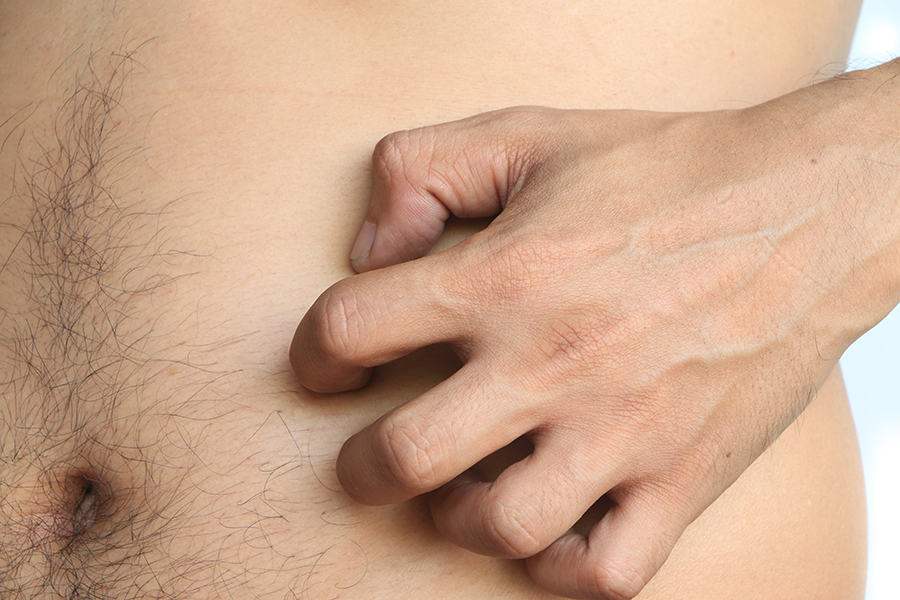
  • About 87% of the people stomas report itching in their peristomal skin.

Many people with peristomal skin complications do not report the issue

Although 87% of the people with stomas feel itchiness in their peristomal skin, about 2/3 of those people never talk about it to their health care providers. This is may be due to the fact that most of the people think of these complications as a normal part in the post ostomy scenario. And some people do not even consider it a problem.

Peristomal Skin Complication can negatively impact the quality of life

A research suggests that a stoma without any skin complications allows a person to rank his/her overall wellbeing same as that of a normal person. A mild skin complication, however, can push a person’s life quality to a downward spiral.

Severe peristomal skin complications severely impact the quality of life

We talked about the minor peristomal skin complications which can start impacting the quality of life. This equation seems pretty straightforward with a finding which suggests that people with severe PSCs rank their quality of life to be as poor as those related with the severe medical conditions including heart disease and cancer.

Increased healthcare costs

It is a no brainer that when you have a badly impacted quality of life, you are going to consider yourself a person with the worst medical conditions on the planet. This mindset can lead to higher treatment costs. Such people are more prone to getting admitted to hospitals at a higher rate.

Key takeaways

The above mentioned facts may seem pretty surprising to you. It is very important to learn from them. The points that you need to keep in mind based on these facts are as under.

  • PSCs are more common than you think.
  • PSCs can impact the quality of your life, especially from the perspective of health. That tends to increase healthcare costs.
  • PSCs can be avoided by following a skincare routine. For this purpose, you may need to use the ostomy care products which are good enough to protect peristomal skin from getting infected.
  • When you see any infection developing in the peristomal skin, you need to contact your doctor or ostomy care nurse.